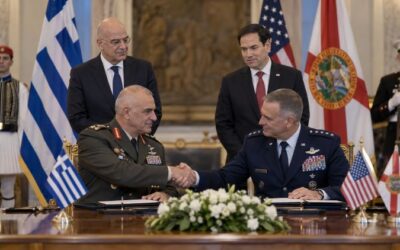

According to the latest news (mid-March 2026), the war in the Iran region, involving the US and Israel, is in full swing, having surpassed the 20 days of conflict.after the crisis, citizens see prices rising and the future becoming uncertain
Reportage
Following the start of the new war crisis in the Middle East, the effects are not limited to the battlefields. They are rapidly reaching the daily lives of citizens in the United States, creating a wave of concern about accuracy and the cost of living.
The market is already showing signs of pressure. Fuel prices are on the rise as uncertainty surrounding energy flows, and particularly the Strait of Hormuz, directly impacts global oil supplies. For the average American, this translates into more expensive gasoline, increased transportation costs, and by extension, higher prices for basic commodities.
Meanwhile, the wave of price increases does not stop at energy. Food, rent and everyday goods are showing upward trends, with families feeling increasing pressure on their budgets. Many citizens express fear that the situation may be reminiscent of previous periods of intense inflation.
Market sentiment is further weighed down by uncertainty. Consumers are becoming more cautious, cutting back on spending and looking for ways to save. At the same time, small businesses are facing increased operating costs, creating a vicious cycle of price increases.
At the political level, the debate is intensifying. The financing of the war, the strategic choices and the government's priorities are at the center of intense debates. A significant part of society expresses concern about whether citizens can bear the economic burden of a prolonged conflict.
The concern is particularly strong among the Greek diaspora, where many Greeks in America are already experiencing the increase in the cost of living. Everyday life is becoming more difficult, while the sense of insecurity is reinforced by the constant developments on the international scene.
The reality is now clear. War is not something distant. Its consequences directly affect the wallet, the daily life and the psychology of citizens.
As the coming weeks are considered critical, the key question remains: Is this a temporary disruption or the beginning of a new period of economic stress?
Fuel prices have risen sharply due to war and energy tensions
✔ Oil has exceeded $100 and is directly affecting everyday life
✔ Americans say they are already financially stressed and fear new price increases
✔ The Federal Reserve warns that war could further increase inflation
✔ There are even fears of “stagflation”
For now, society is watching with concern, trying to adapt to a reality that is changing rapidly and unpredictably.
The US economy is under pressure after the war – see what analysts say
“Price hikes and anxiety – the reality Americans live with today”
https://www.youtube.com/watch?v=qqmc07utags
video source Reuters
photo Fietzfotos, https://pixabay.com