The discussion around the so-called “woke agenda” brings to the fore questions about family, values, and the direction of modern society.
In recent years, more and more citizens have expressed concern about the changes taking place in social values, education and the way in which the new generation is being shaped. The so-called “woke agenda” is at the center of this discussion, provoking strong reactions and confrontations.
We live in an era where concepts are being redefined rapidly.
Family, education, respect, concepts that for thousands of years have been the basis of social cohesion, today seem to be questioned or reformulated.
And the question that arises is not simple.
Is this a natural evolution of society or a violent shift in values?
The so-called “woke agenda,” as characterized by many, is not a single ideology, but a set of trends related to issues of identity, social justice, and inclusion.
For some, it is progress.
For others, it is a rupture.
Where the tension lies is elsewhere.
The feeling that changes do not arise through dialogue, but are imposed.
The concern that traditional values are being dismantled without being replaced by something stable.
The fear that society is losing its direction.
Many citizens feel that everyday life is filled with narratives that they do not understand or do not express.
That public discourse is shifting to issues that, until recently, were on the sidelines.
And here the crucial question arises:
Where does respect for diversity end and confusion begin?
Can a society move forward without common ground of values?
Can there be coherence when basic concepts change so rapidly?
On the other hand, we cannot ignore that every era questions its past.
And many of the changes that are now taken for granted were once met with the same skepticism.
History doesn't move in a straight line.
The point, however, is not to reject or accept uncritically.
It's so we can discuss.
With arguments.
With respect.
Without fear.
Because when a society stops discussing, it begins to divide.
And perhaps therein lies the real danger.
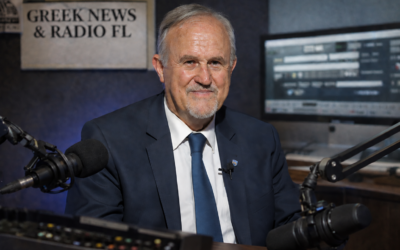
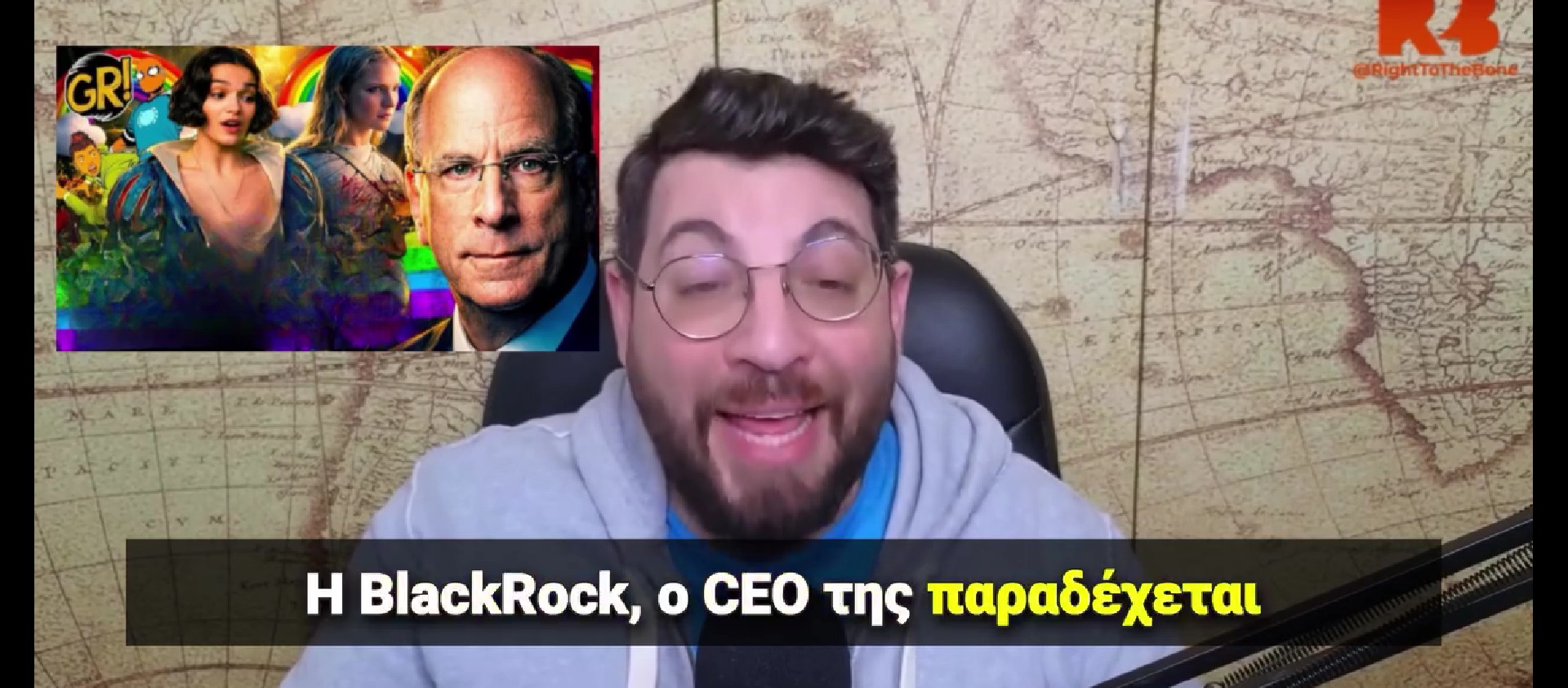
As Raphael Kaliviotis points out, the discussion around contemporary ideological trends cannot be conducted in terms of silence or imposition, but rather through open dialogue and critical thinking.