Florida Governor Ron DeSantis is planning a special session after May to propose repealing the homeownership tax, with a phased implementation and possible constitutional amendment.
Florida Governor Ron DeSantis appears to be preparing one of the boldest tax initiatives of his term: eliminating or significantly reducing the property tax for primary residences in Florida.
According to what he said in a speech in Palm Beach, the special session of the legislature is not expected to take place immediately, not even in May, but most likely from June onwards. The goal of the DeSantis administration is to formulate a proposal that will be put to the voters' judgment through a referendum.
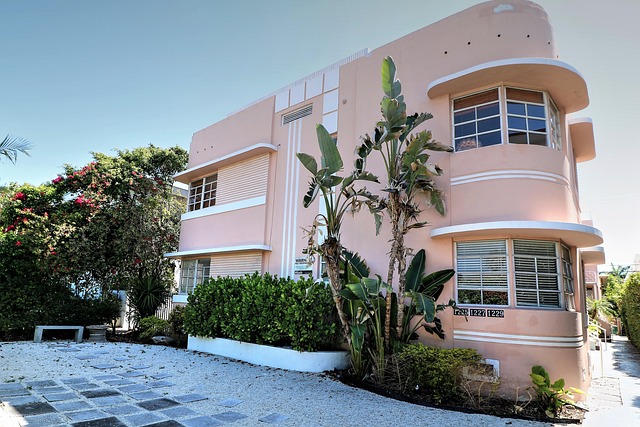
The basic idea is to gradually exempt primary residences, known as homestead properties, from property taxes. DeSantis himself acknowledged that the transition cannot happen overnight and spoke of a “phased implementation” to give local governments time to adjust.
The plan would need 60% approval in both the Florida House and Senate to make it onto the ballot. It would then need another 60% approval from voters to become part of the state Constitution.
The governor has argued that the state could use some of its surplus to help with the transition. However, the issue is already causing serious backlash, as property taxes are a key source of revenue for municipalities, counties, schools, public safety agencies and local infrastructure.
Critics of the plan warn that such a change could create great pressures on local governments, especially in areas of Florida that are rapidly growing and have increased needs for roads, schools, police, fire and social services.
Despite the concerns, the proposal appears to be having a strong impact on voters. A poll by Stetson University's Center for Public Opinion Research shows that if DeSantis' plan were to be put on the ballot, it could garner support of about 77%, well above the required 60% threshold.
Political interest now turns to whether DeSantis can secure the support of lawmakers in Tallahassee. If the special session moves forward this summer, Florida could face a major tax change, with immediate consequences for millions of homeowners and for how local government is financed.
Sources:
Florida Politics
AG Gancarski columnist
Stetson University Center for Public Opinion Research
photo Gia33141, https://pixabay.com
From the Greek News FL journalistic team