
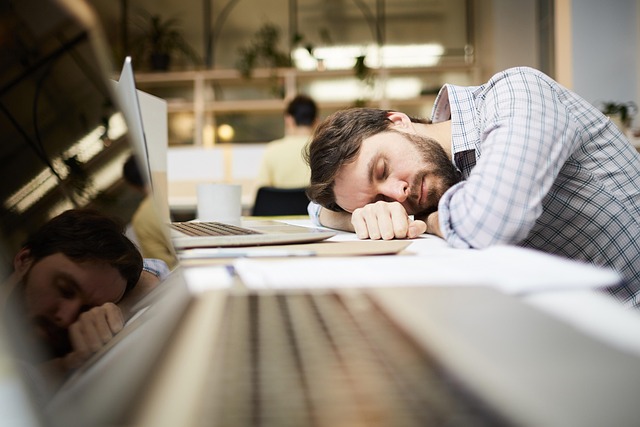
Once upon a time, rest was a necessity. Today, it almost seems like a luxury. We live in an era where being constantly busy is considered a sign of success and fatigue is something of a badge of honor. “I can’t get anything done,” “I’m running all day,” “I feel exhausted” are phrases that are heard daily, almost with a touch of pride.
Burnout is no longer a rare phenomenon. It has become part of everyday life. People are pressured to constantly perform, to be productive, available, fast. And in all this, they forget something basic: that they are not machines.
The boundaries begin to blur. Work follows home, the texts never stop, and time for rest is reduced. Even when it exists, it is often accompanied by guilt. As if you are not "allowed" to stop.
Yet, this constant pressure is not sustainable. The body and mind have limits. Burnout is not just tiredness, it is a state that affects our mood, energy, our relationships with others and ultimately with ourselves.
Perhaps the most worrying thing is not that we get tired, but that we have begun to consider it normal. That we are used to living in the "red" and calling it everyday life.
Change doesn't have to be drastic to be meaningful. It starts with small reminders: that rest is not a weakness, but a necessity. That setting limits doesn't make you less capable, but more aware. That your worth isn't measured solely by how much you get done.
In a world that always wants you to be "active," perhaps the bravest act is to stop for a moment. To listen to yourself. To give yourself space to breathe.
And maybe there, in this little pause, you will remember something you had forgotten: that you were not born to be exhausted, but to live. That you deserve moments of calm, breaths without weight, and days that are not measured by fatigue.
Because at the end of the day, the truest strength is not in enduring everything, but in taking care of yourself because you deserve your attention.
photo daha3131053, https://pixabay.com