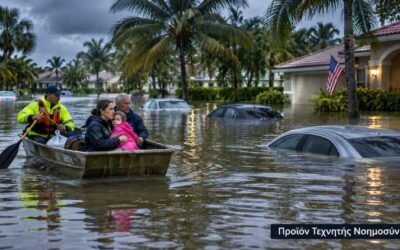
Official reports indicated that the total number of all vehicles (petrol, diesel, hybrid and electric) burned in the affected areas was at least 6.000 vehicles.
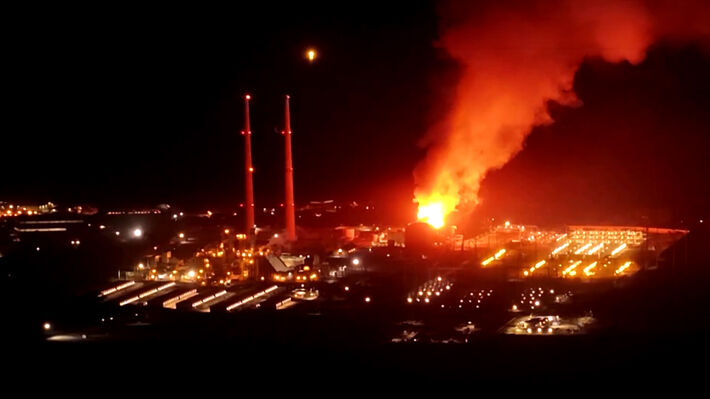
Environmental Disaster: A thick, black cloud of toxic smoke blanketed nearby communities, crops, and protected wetlands for days. Authorities closed major highways and ordered evacuations. Ash and heavy metal particles that fell like “toxic rain” caused respiratory problems for residents and illness in domestic animals.
The involvement of electric cars: Because these particular Los Angeles neighborhoods had very high rates of ownership of electric vehicles (EVs) and home energy storage systems (wall batteries), an unprecedented but unspecified number of lithium batteries were indeed burned.
The issue has become a major media and social media issue as the US Environmental Protection Agency (EPA) and local authorities have struggled to clean up the debris. Burnt lithium batteries from electric cars are considered toxic waste and pose a risk of sudden re-ignition or emission of hazardous gases, making the recovery process extremely complicated.
The concern and risk surrounding these batteries concerns chemical and environmental risks, not radioactive ones:
Toxic Gases: When a lithium battery burns (through a process called thermal runaway), releases extremely toxic and dangerous gases, such as hydrogen fluoride and carbon monoxide, as well as particles of heavy metals (nickel, cobalt, manganese).
Risk of Reignition: Damaged lithium batteries have the property of holding trapped energy and can reignite on their own, even days or weeks after the initial fire has been extinguished.
The risk of chemical toxicity is absolutely real and serious.
Lithium is the lightest metal in nature and has the ability to store large amounts of energy in a very small weight, making it ideal for vehicle propulsion.
In addition to lithium, these batteries also contain other precious metals, depending on their technology:
Cobalt, Nickel and Manganese (in NMC batteries)
Iron and Phosphorus (in LFP batteries, which are becoming increasingly popular because they are cobalt-free and safer in fire)
Graphite (on the negative pole/anode of the battery)
Would you like to know what the difference is between LFP and NMC batteries in terms of safety and lifespan, or how lithium is recycled?
What types of toxic substances are released into the environment? In the event of an explosion or fire (thermal escape), a cocktail of extremely toxic gases, heavy metals and chemical compounds is released into the environment.
Hazardous and Toxic Gases (In the Air)
During the explosion and combustion of the electrolyte, gases are produced that are extremely dangerous to human health:
Hydrogen fluoride (HF): This is the most dangerous gas released. It is extremely corrosive, damages the lungs if inhaled, and can be absorbed through the skin, causing serious damage to the bones and heart.
Carbon Monoxide (CO) and Carbon Dioxide (CO₂): They cause asphyxiation.
Hydrogen cyanide (HCN): A highly toxic chemical gas that interferes with cellular respiration.
Nitrogen oxides (NOx) and Phosgene: Cause severe irritation and permanent damage to the respiratory system.
Heavy Metal Particles (In Dust and Smoke)
Smoke carries microscopic particles from the battery pole materials:
Nickel and Cobalt: Both are known carcinogens and cause serious allergic reactions and lung diseases.
Lithium and Manganese: Lithium can cause chemical burns to tissues, while chronic exposure to manganese affects the nervous system.
Toxic Liquids and Residues (In soil and water)
When batteries burn or explode, the chemical compounds melt and mix with the extinguishing water:
Fluoride salts:
They create acidic solutions that kill the soil around the incident.
Aquifer contamination: If these liquids seep into the ground, they can contaminate the area's drinking water sources with heavy metals, rendering them unsuitable for years.
For all of the above reasons, firefighters approach these fires with full respiratory protection (oxygen masks), while environmental authorities isolate the ground and affected areas until all residues are removed as hazardous industrial waste.
Here are the most characteristic examples worldwide, with their locations and dates:
The ash and heavy metal particles that fell like “toxic rain” caused respiratory problems in residents and illnesses in domestic animals.
Explosion at energy storage station (La Verne, USA)
September 2026
What happened: A sudden explosion at a new battery installation next to a solar park led to an uncontrolled "thermal runaway."
Environmental Disaster: The city was declared a state of emergency. More than 500 homes and businesses were evacuated for days due to fears of the release of huge amounts of hydrogen fluoride and other chemical gases into the city's atmosphere.
Fire in electric bus and vehicles (Sydney Airport, Australia)
2023 (and similar incidents until 2024)
What happened: An electric vehicle battery caught fire in an airport parking lot, destroying a total of 5 cars.
Environmental Disaster: Although smaller in scale, this incident (along with electric bus fires in London and France in 2022-2023) highlighted the problem of toxic firefighting water. To extinguish a single EV battery, up to 100.000 liters of water are required (about 10 times more than a conventional car). This water runs into sewers full of dissolved metals and chemicals, contaminating local ecosystems.
Landfill Disasters (Worldwide)
Continuously (intensified in 2024 – 2026)
Thousands of smaller lithium batteries (from electric scooters, bicycles, hoverboards or old EVs) are illegally dumped in the general trash.
Environmental Disaster: When garbage trucks or compactors compress the trash, the batteries puncture and explode. This causes huge, uncontrolled fires in landfills (e.g. in Australia and the US), which burn for weeks, releasing carcinogenic particles and contaminating the subsoil.
The Palisades Fire (Pacific Palisades, Malibu Areas) – Arson
This fire started as an act of arson by a 30-year-old man on New Year's Eve 2025. The suspect used a lighter to set fire to a hiking trail in the hills above Los Angeles.
Although the fire department initially believed it had extinguished that fire, hidden embers remained underground. On January 7, when strong Santa Ana winds began, the buried embers violently rekindled, creating one of the most destructive fire fronts in the city's history.
Epilogue:
There is a huge problem with lithium batteries which in case of fire or explosion cause environmental pollution and respiratory problems. I also cannot understand why they are in a hurry to make all cars electric. Is the game being played in the Middle East to eliminate oil with other types of energy? It is known that with water we can move vehicles (Oxygen-Hydrogen).
Anyone who tried was found dead. Electric is very expensive. If everyone is trying to charge their batteries in a city or country then what will happen to the electricity. The main thing is how safe will someone be in a taxi, bus or other electric vehicle.
We are told that the reason electric vehicles “seem more dangerous” is that their fires are difficult to put out, can reignite, and are often captured on video and widely disseminated. We are also told that electric vehicles are safer than gasoline-powered vehicles (in terms of fire potential) and that full electrification will not “destroy” the grid. The key is to charge smartly, not simultaneously. Given the right pricing and technical coordination, electric vehicles can even become a “stabilizer” of the grid, not a burden.
These are some thoughts. I'll wait for yours.
902.GR
Bibliography
Sacramento Bee. “California wildfires scorched 525,000 acres in 2025. See biggest blazes.” Sacramento Bee, 6 Jan. 2026.
Meister, Maureen, et al. "Evaluating inhalation risks and toxicological impacts of lithium-ion battery thermal runaway emissions." Environment International, 2025
New South Wales Fire & Rescue Service (Fire & Rescue NSW). SARET Report 001 – Management of Lithium-ion Battery Safety Risks 2024.